
Avoiding Revision Surgery: How to Protect Your New Knee Joint
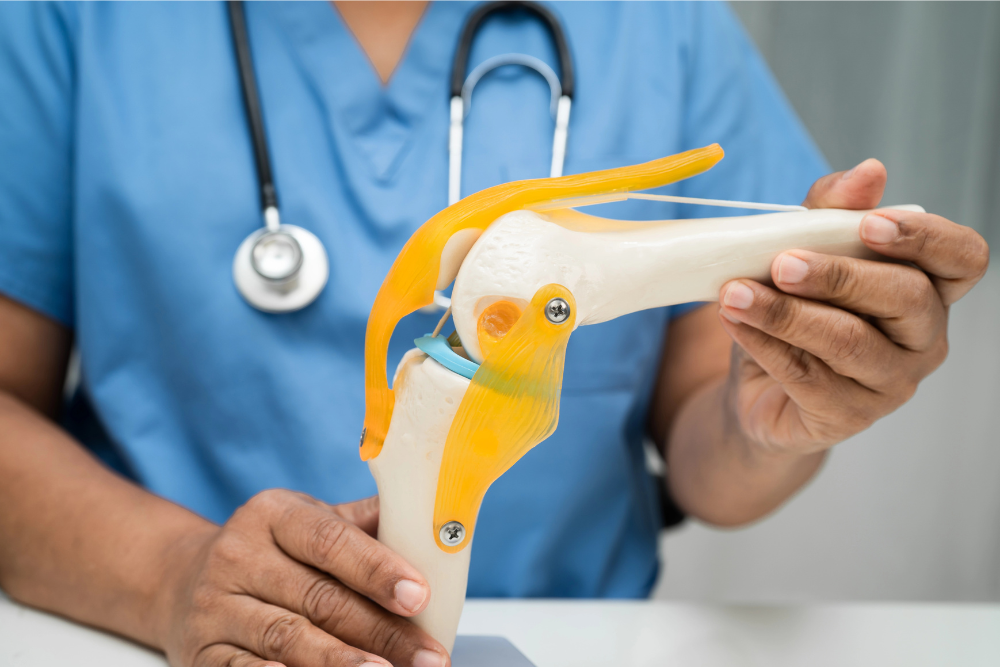
For many people, total or partial knee replacement represents the end of years of discomfort and limited mobility. It restores independence, helps you enjoy your favorite activities again, and can dramatically improve your overall quality of life. However, the success of your new knee depends not only on the skill of your surgeon but also on the care and habits you maintain afterward.
Southern California Orthopedic Surgeon: Hip and Knee Specialist, Dr. John Philip Andrawis, MD/MBA/FAAOS, emphasizes that protecting your new joint is just as important as the surgery itself. A well-done replacement can last many years, but it still requires proper care and attention to avoid complications that could necessitate revision surgery.
Revision surgery occurs when a previously replaced knee joint requires correction, adjustment, or replacement. Preventing it should be a top priority for every patient because it is more complex, takes longer to recover from, and can sometimes be avoided with proactive care.
What Revision Knee Surgery Means
Revision knee surgery is a secondary procedure performed when the first knee replacement fails or develops problems. It involves removing part or all of the original implant and replacing it with new components. This procedure is often more challenging because it requires dealing with scar tissue, bone loss, or infection, and recovery may take longer than the initial replacement.
Common reasons for needing revision surgery include implant loosening, wear, infection, instability, misalignment, or injury after surgery. For example, when an implant loosens over time or becomes unstable, the joint can become painful or lose its proper function. While less common, infection remains one of the most serious complications and may require immediate intervention.
By understanding these risks, patients can take important steps to protect their new knee and minimize the chances of needing another operation.
Early Recovery: Laying the Foundation for Long-Term Success
The Role of Physical Therapy and Consistent Movement
Physical therapy does not end after the first few weeks. It remains one of the most effective ways to protect your knee implant over time. Guided exercises improve your range of motion and help the surrounding muscles, such as your quadriceps, hamstrings, and hips, work together to stabilize the joint.
Consistency is key. Patients who commit to their prescribed exercises recover faster and maintain better function years later. On the other hand, skipping therapy or overexerting yourself can both be harmful. Overdoing activities before your knee is ready can cause inflammation or damage the implant, while doing too little can lead to stiffness and muscle weakness.
Once your physical therapist or surgeon clears you for regular activities, staying active is essential. Walking, swimming, cycling, or yoga are all excellent low-impact exercises that promote blood flow, flexibility, and strength without putting too much pressure on the knee.
Preventing Infection After Knee Replacement
Infection is one of the main reasons a knee replacement might fail. Although rare, it can be very serious if it reaches the implant area. Protecting your surgical site and maintaining good hygiene are vital steps.
After surgery, pay attention to any signs of infection, such as warmth, redness, drainage, or persistent pain around the incision. If you notice these symptoms, contact your orthopedic team immediately.
To help prevent infection:
- Keep your incision clean and dry.
- Avoid soaking in baths, hot tubs, or pools until your surgeon says it is safe.
- Maintain good oral and overall hygiene, as bacteria from your mouth or body can sometimes enter the bloodstream and reach the implant.
- Attend all post-operative appointments so your doctor can monitor your healing and catch any issues early.
By staying alert and careful, you can reduce your risk of developing complications that could lead to revision surgery.
Also Read: How to Prepare for Arthroscopic Knee Surgery
Weight Management and Joint Longevity
Protecting Your New Knee in Daily Life
Once your recovery is complete, it is important to adopt safe movement habits in your daily life. Protecting your new knee does not mean avoiding activity; it means being smart about it.
High-impact activities such as running, jumping, or contact sports can cause unnecessary strain on your joints. Instead, focus on low-impact exercises like swimming, elliptical training, or walking.
Use supportive footwear that cushions your steps and helps maintain proper alignment. Practicing balance exercises can prevent falls that might injure the knee. When returning to sports or hobbies, always do so gradually and under professional guidance.
You can also make small modifications to your daily routine, such as avoiding prolonged kneeling or using assistive devices when needed, to protect your implant and extend its lifespan.
Monitoring for Signs of Trouble
Even after a full recovery, it is important to pay attention to your knee and recognize early warning signs that something might be wrong. These include new or worsening pain, clicking or instability, swelling that does not improve, or reduced range of motion.
If you experience any of these symptoms, schedule an appointment with your orthopedic surgeon as soon as possible. Early detection allows for less invasive solutions, such as adjusting activity levels, modifying exercises, or managing inflammation, before the problem progresses.
Long-Term Maintenance: Staying Active and Consistent
Your new knee is designed to serve you for many years, but maintaining its health requires long-term care. Regular, low-impact exercise keeps your muscles strong and flexible, supporting the joint and reducing stress on the implant.
Annual follow-up visits and X-rays allow your surgeon to monitor the condition of your implant and surrounding bone. Bone density and soft-tissue health are key factors in maintaining implant stability and function.
Rather than engaging in sporadic bursts of activity, try to move a consistent part of your routine. Walking daily, swimming a few times a week, or doing gentle yoga can all help preserve the function and comfort of your new knee.
A Lifelong Commitment to Joint Health
A successful knee replacement is not just the result of surgery; it is a lifelong commitment to maintaining joint health. Patients who stay active, manage their weight, prevent infection, and attend regular checkups are more likely to enjoy long-lasting results.
With proper care and attention, most modern knee implants can last 15 to 20 years or even longer without revision. Protecting your new joint means staying mindful of your habits, communicating openly with your orthopedic team, and following expert guidance every step of the way.
For expert care and ongoing support in Southern California, visit Dr. John Philip Andrawis, MD/MBA/FAAOS, at Southern California Orthopedic. Your mobility and comfort are worth the effort it takes to keep your new knee strong for years to come.