
Restoring Movement: What Causes Hip Arthritis and How Replacement Surgery Restores Mobility
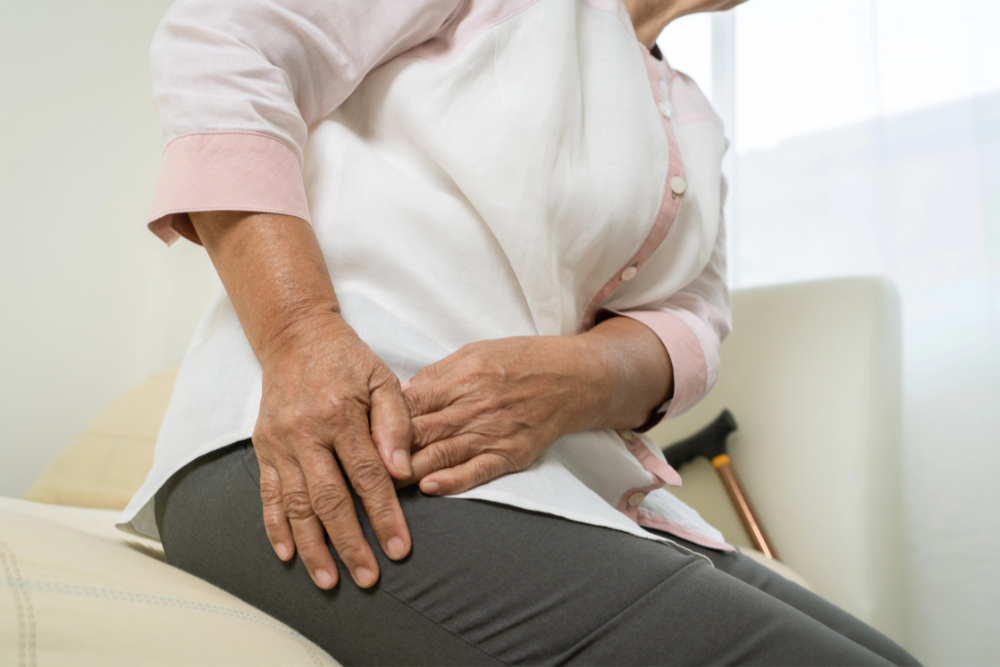
Hip arthritis is a leading cause of chronic pain and limited mobility, affecting millions worldwide. While often associated with the elderly, it can also impact younger individuals due to past injuries or underlying genetic factors. Living with hip arthritis means enduring persistent stiffness and a gradual loss of independence. The good news is that modern medicine offers effective solutions.
What Is Hip Arthritis?
Arthritis in the hip is characterized by the inflammation and degeneration of the hip joint cartilage, leading to stiffness, swelling, and pain.
Understanding the Healthy Hip Joint
The Degenerative Process
When arthritis sets in, this protective cartilage gradually wears down. As it thins and erodes, the joint space narrows, and eventually, bone surfaces rub directly against each other. This friction causes inflammation, pain, and the formation of bone spurs (osteophytes), severely limiting movement.
Types of Hip Arthritis
While the result is similar, hip arthritis can stem from different origins:
- Osteoarthritis (OA): By far the most common type, this is a degenerative joint disease resulting from years of mechanical stress and “wear and tear.”
- Rheumatoid Arthritis (RA): An autoimmune disease where the body’s immune system mistakenly attacks the synovium, the lining of the joint, causing chronic inflammation that destroys cartilage and bone.
- Post-Traumatic Arthritis: Develops years after a significant injury to the hip, such as a fracture or dislocation, which damages the cartilage or alters the joint’s mechanics.
- Avascular Necrosis (AVN): Occurs when the blood supply to the femoral head is interrupted, causing the bone tissue to die and collapse, leading to rapid joint destruction.
Common Causes and Risk Factors
| Risk Factor | Description |
| Age-Related Wear and Tear | Cartilage naturally loses elasticity and the ability to repair over time, making older adults the most common group affected. |
| Genetic Predisposition | A family history of arthritis, or inherited joint abnormalities like hip dysplasia, increases susceptibility. |
| Injury or Trauma | Past fractures, dislocations, or major joint trauma can alter joint alignment, accelerating wear. |
| Obesity | Excess body weight significantly increases the mechanical load on the hip joint, stressing the cartilage. |
| Inflammatory Diseases | Autoimmune disorders like Rheumatoid Arthritis actively cause joint destruction. |
| Repetitive Strain | Certain occupations or high-impact sports that involve consistent, heavy loading of the hip joint can lead to overuse and damage. |
Symptoms That Signal Hip Arthritis
- Pain: The most telling symptom is a persistent ache, often felt deep in the groin area, though it can also radiate to the outer thigh or buttocks.
- Stiffness: A noticeable stiffness, especially after periods of rest (like first thing in the morning or after sitting for a long time).
- Limited Range of Motion: Difficulty in activities requiring hip flexibility, such as climbing stairs, bending down, or simply tying shoes.
- Activity-Related Discomfort: Pain typically worsens with activity (walking, standing) and eases somewhat with rest.
- Mechanical Sounds: Some patients hear or feel a clicking, popping, or grinding sensation (crepitus) in the joint as rough bone surfaces move against each other.
- Gait Changes: Limping (antalgic gait) to minimize weight on the painful hip.
Diagnosis and Evaluation
The Diagnostic Process
- Physical Examination: A physician will assess the hip’s range of motion, strength, and overall gait (the way you walk).
- Imaging Tests:
- X-rays are the primary tool, revealing joint space narrowing, bone spurs (osteophytes), and any structural changes.
- MRI or CT scans may be used to get a detailed look at the condition of the soft tissues, cartilage, and bone, especially when considering surgery or ruling out AVN.
- Lab Tests: Blood work may be ordered to check for markers of inflammatory or autoimmune diseases like Rheumatoid Arthritis.
Non-Surgical Treatment Options
For many patients, especially in the early stages, initial management focuses on relieving pain and maintaining function to delay or avoid surgery.
- Medications and Injections: Over-the-counter or prescription anti-inflammatory medications (NSAIDs) help reduce pain and swelling. Injections, such as corticosteroids, can offer temporary, potent pain relief directly into the joint.
- Physical Therapy (PT): Customized exercises help maintain joint strength and flexibility in the surrounding muscles (core, glutes, thighs), providing better support.
- Lifestyle Modifications: Weight management reduces stress on the joint. Low-impact exercises like swimming or cycling keep muscles conditioned without high-impact strain.
- Assistive Devices: Using a cane or walker can significantly reduce the load on the arthritic hip, easing pain during walking.
It’s important to understand that while these conservative methods can dramatically reduce symptoms and improve daily function, they do not reverse the underlying loss of cartilage.
When to Consider Hip Replacement Surgery
When the pain from arthritis is no longer controlled by non-surgical treatments and begins to severely limit quality of life, it’s time to consider surgery.
The decision to proceed with a hip replacement, also known as Total Hip Arthroplasty (THA), is based on the patient’s functional decline, not just age.
Indicators for Surgery | Description |
Persistent Pain | Pain that remains severe despite months of physical therapy, injections, and medication. |
Nighttime Pain | Constant pain that regularly interferes with sleep that demonstrates the severity of the joint damage. |
Advanced Deterioration | X-rays clearly showing bone-on-bone contact and major joint damage. |
Loss of Independence | When pain and stiffness prevent basic daily activities like driving, walking short distances, or caring for oneself. |
How Hip Replacement Surgery Works
Hip replacement surgery is one of the most successful orthopedic procedures, consistently yielding excellent results in relieving pain and restoring mobility.
The Procedure Overview
The goal is to replace the damaged ball and socket with durable, artificial components called prostheses.
- Access: The surgeon makes an incision (using minimally invasive or traditional approaches) to access the hip joint.
- Removal of Damaged Components: The damaged femoral head (“the ball”) is removed, and the cartilage lining the acetabulum (“the socket”) is cleared away.
- Prosthesis Insertion:
- A metal shell is secured into the pelvic socket, often lined with a durable plastic (polyethylene) or ceramic insert.
- A new metal stem is placed into the hollow of the femur (thigh bone), topped with a smooth, ceramic, or metal ball.
- Joint Reconstruction: The new ball is fitted into the new socket, recreating a smooth, pain-free ball-and-socket joint that functions like a healthy hip.
Most patients undergo a Total Hip Replacement, where both the ball and socket are replaced. Minimally invasive techniques utilize smaller incisions, often leading to less muscle trauma and potentially faster initial recovery.
Also Read: Is it Time for Total Hip Replacement? What You Need to Know
Recovery and Rehabilitation
Recovery begins almost immediately, often with the patient standing or walking with assistance on the day of or the day after surgery.
- Hospital Stay: Typical stays are short, often lasting just 1 to 3 days, with immediate focus on pain management.
- Physical Therapy (PT) is Critical: PT is the cornerstone of recovery, starting with gentle exercises to restore range of motion and gradually progressing to strengthening exercises. The goal is a gradual return to walking, climbing stairs, and resuming daily activities without a walker or cane.
- Long-Term Outcomes: Hip replacement is highly successful. The average lifespan of modern implants is 15–25 years or more, offering long-term relief. Studies show a significant improvement in quality of life, with high success rates for pain elimination and mobility restoration.
Also Read: Sleeping After Total Hip Replacement: Tips for Comfort and Healing
Conclusion: Regaining Mobility and Quality of Life
Hip arthritis can feel like an overwhelming barrier to an active life, slowly eroding your independence and freedom of movement. Fortunately, it is a highly treatable condition.
While non-surgical treatments can manage symptoms for a time, modern hip replacement surgery offers a reliable, long-lasting solution to eliminate pain and restore the smooth function of your joint. The vast majority of patients successfully resume normal, active, and pain-free lifestyles after recovery.