
Robotic-Assisted vs. Traditional Joint Replacement: What Actually Changes for Patients?
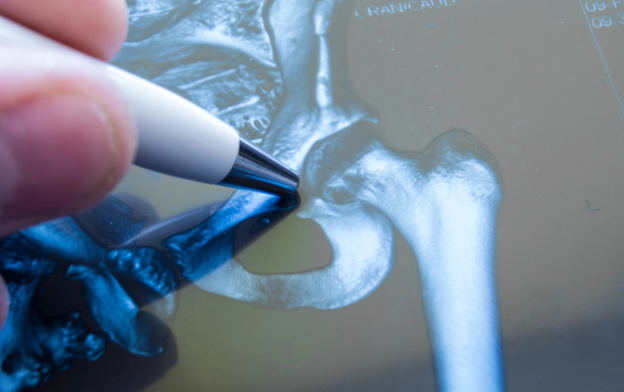
Many individuals in Torrance hear that robotic-assisted joint replacement is “more precise.” But they are often not sure what that really means. Some think the robot performs the surgery on its own. Others expect a much faster recovery, just because robotics is part of the process.
Robotic-assisted surgery changes certain parts of surgical planning and implant placement. It doesn’t replace the training, judgment, and hands-on skills of an orthopedic surgeon. The robot is a tool that the surgeon uses. It is not a stand-in for the surgeon.
If you are comparing traditional joint replacement with robotic-assisted options, it helps to know what actually changes during surgery and recovery. This includes how surgeons plan the procedure, how implants get positioned, and what your rehab will look like afterward. Understanding these real differences between robotic and traditional joint replacement can help you make a more informed choice. It also helps you set realistic expectations rather than choosing a method based solely on technology.
What Is Robotic-Assisted Joint Replacement?
Robotic-assisted joint replacement uses a computer-guided system to help surgeons plan and perform knee and hip replacement surgery. Before the procedure, the system creates a detailed digital model of your joint, allowing the surgeon to plan the surgery based on your unique anatomy. During the operation, it provides real-time guidance to support accurate bone preparation and implant positioning.
The Robot Doesn't Perform the Surgery on Its Own
The surgeon remains in complete control throughout the procedure. The robotic arm doesn’t operate independently or make decisions on its own. Instead, it responds to the surgeon’s movements while providing computer-assisted guidance and real-time feedback to help keep the procedure aligned with the surgical plan. Rather than replacing the surgeon, the robotic system serves as a precision tool that supports accurate implant placement and surgical decision-making.
Also Read: Is it Time for Total Hip Replacement? What You Need to Know
Traditional Joint Replacement Still Produces Excellent Results
Traditional joint replacement has a long history of success. It is a proven method used across the country. Surgeons have performed millions of hip and knee replacements using standard tools, and long-term studies show strong results for pain relief and improved mobility.
Traditional joint replacement remains the standard approach for many patients and continues to produce excellent long-term outcomes. Traditional surgery is suitable for patients with simple anatomy or limited access to robotic tools. In both methods, surgeon skill remains the most important factor, since good judgment guides choices that no machine can make.
What Actually Changes With Robotic-Assisted Surgery?
Preoperative Planning
Depending on the robotic system being used, preoperative planning may involve CT imaging or other imaging technologies to create a detailed surgical plan based on your anatomy. This lets the surgeon preview implant size and position before entering the operating room. Traditional planning relies more on standard measurements and the surgeon’s judgment during the case. Skilled surgeons use this method well, even with less digital detail up front.
Implant Positioning
During surgery, the robotic arm provides real-time guidance to help the surgeon fine-tune alignment while shaping the bone. This may help the surgeon achieve more precise implant positioning in appropriately selected cases. Traditional joint replacement relies on manual tools and instruments that surgeons have used for years. These tools stay reliable in the hands of an experienced surgeon.
Intraoperative Feedback
Some robotic systems provide intraoperative information that helps surgeons assess soft tissue balance and joint motion during the procedure. This feedback lets the surgeon make small changes right away. Traditional surgery relies on the surgeon’s touch and years of experience to achieve the same goal: a well-balanced joint.
Robotic-Assisted vs. Traditional Joint Replacement Comparison
Feature | Robotic-Assisted | Traditional |
Surgical planning | Personalized digital planning | Standard planning methods |
Implant positioning | Computer-guided help | Manual alignment methods |
Surgeon control | The surgeon controls the robot | The surgeon performs the surgery directly |
Technology | Robotic platform | Standard instruments |
Recovery | Similar recovery steps | Similar rehab process |
Physical therapy | Required | Required |
Long-term success | Depends on many factors | Depends on many factors |
Even with these differences, recovery still depends on your health, your rehab effort, the implant used, and your surgeon’s skill. No chart can capture your full case. That’s why a real talk with your surgeon matters for creating a plan that works with your recovery goals.
Does Robotic Surgery Mean Faster Recovery?
Many patients think that robotic knee or hip replacement means less pain, a smaller incision, and a faster recovery. This idea makes sense given how the technology is often described. But it doesn’t fully match what happens in real recovery. Robotic guidance changes the surgery itself, not how your body heals afterward.
Recovery still differs from person to person, and physical therapy is still required, no matter which method is used. Some patients may notice small early gains, such as improved alignment that makes movement more comfortable. Still, recovery after robotic joint replacement depends on many things, such as your age, activity level, weight, other health issues, and how closely you follow your rehab plan.
Who May Benefit Most From Robotic-Assisted Joint Replacement?
Some patients may see real benefits from robotic-assisted joint replacement in Torrance, especially those with greater surgical needs.
- Patients with knee arthritis that affects joint alignment
- Patients with hip arthritis and unusual bone shape
- Active adults who want detailed surgical planning
- Patients with complex or unusual bone anatomy
- People who want a more personal approach to implant placement
Candidacy depends on the surgeon’s evaluation and the technology being used.
When Traditional Joint Replacement May Still Be the Right Choice
Robotic-assisted surgery may not be the best option for every patient. This is a normal part of making a surgical plan. Your anatomy, bone quality, and past surgeries can all affect which method makes the most sense for you. In some cases, old hardware or scar tissue makes traditional methods more practical.
Your medical history, the implant you choose, and your surgeon’s own advice also matter in this choice. A good surgeon often won’t suggest robotic surgery just because it exists. They usually suggest the method that best fits your specific case. Robotic technology is one option among several, not an automatic upgrade for everyone.
What Patients Often Overlook
It is easy to focus on the robot, the technology, and the marketing behind the benefits of robotic-assisted orthopedic surgery. These are the flashiest parts of the process, so they naturally grab attention during research. But focusing solely on the equipment can distract from what matters most for good long-term results.
Your outcome depends heavily on the surgeon’s skill, correct implant placement, and careful surgical planning, regardless of whether a robot is used. Physical therapy, following your doctor’s instructions after surgery, and your overall health matter just as much as the surgical method itself. Setting realistic goals from the start helps you feel more satisfied with your results, no matter which method your surgeon uses.
Questions to Ask During Your Consultation
Your consultation is the best chance to get clear, honest answers about your own case. It is easy to feel rushed during a doctor’s visit, so it helps to walk in with your questions already written down. This way, you won’t leave the office and remember what you meant to ask only after you get home.
- Am I a candidate for robotic-assisted surgery?
- Why do you recommend robotic or traditional surgery for me?
- Which joint replacement system do you use?
- How does my anatomy affect surgical planning?
- What recovery should I realistically expect?
- How much experience do you have performing robotic joint replacement?
Also Read: Why Some Patients Qualify for Partial Knee Replacement, and Others Don’t
Conclusion
Robotic-assisted joint replacement gives surgeons another tool that may improve planning and implant placement for some patients. But it doesn’t guarantee a better outcome on its own. Good results still depend on careful planning, surgical skill, steady rehab, and your own effort during recovery. Whether you choose robotic-assisted or traditional knee or hip replacement, the principles of quality orthopedic care remain the same.
If you are considering hip or knee replacement surgery, schedule a consultation at Southern California Orthopedic Surgeon to discuss your options in detail. A thorough assessment of your joint anatomy and goals with Dr. John Philip Andrawis can determine whether robotic-assisted or traditional joint replacement is the most appropriate option for your specific condition and goals.
FAQs
Is robotic-assisted joint replacement better than traditional joint replacement?
Neither method is always better. Both can yield strong results when performed by a skilled surgeon in the right patient.
Does the robot actually perform the surgery?
No. The surgeon controls every move and every decision. The robotic arm only gives guidance and feedback.
Is recovery faster after robotic joint replacement?
Not always. Recovery depends more on your health, your rehab effort, and your own healing than on the surgical method.
Who is a good candidate for robotic-assisted knee or hip replacement?
Patients with complex anatomy or those who want detailed digital planning may be good candidates. This is often confirmed during your visit.
How do surgeons decide whether robotic-assisted surgery is right for a patient?
Surgeons consider anatomy, bone quality, medical history, and prior surgeries before choosing the best approach for each patient.